Maximising ROI: How to Repurpose Event Photography for PR
A corporate event is one of the most concentrated investments a marketing team can make. Months of planning, a venue that delivers, and a room full of exactly the right people.
The photography from that event is what carries all of it forward.
Handled well, a single event produces the visual library that powers your press outreach, your LinkedIn presence, your internal communications, and next year's campaign. This guide covers how to plan for that, and how to get twelve months of value from one day of coverage.
The Strategic Shift: From Documentation to Asset Creation
The teams who get the most from event photography share one habit: they treat the gallery as raw material rather than a record.
A record answers the question, “What happened?” An asset library answers a far more useful one: “What can we publish next month, next quarter, and this time next year?”
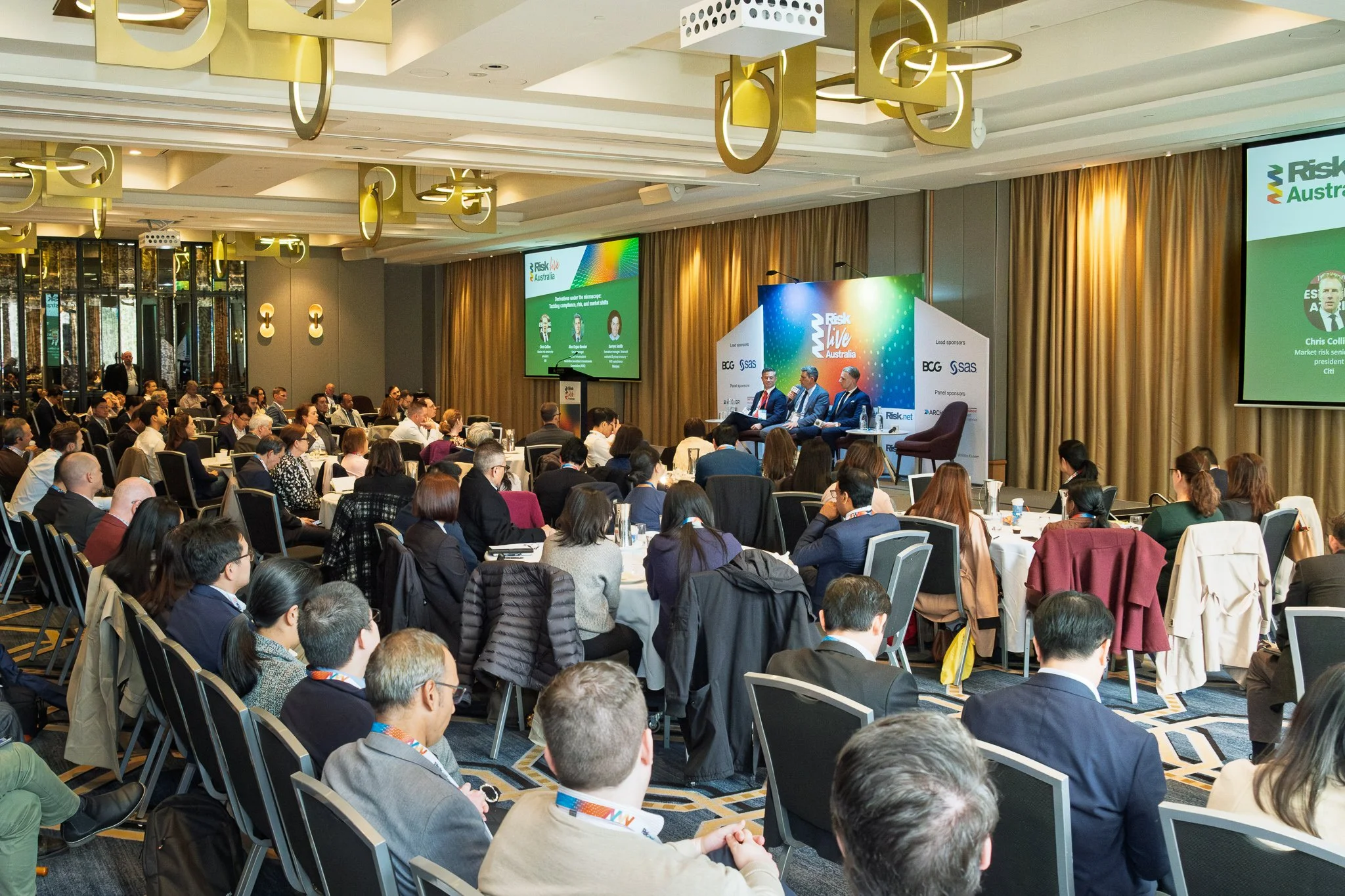
That shift changes what gets shot. It means planning for the wide-room shot that sells next year's event, the executive in genuine conversation who'll anchor a thought leadership post, and the brand-in-frame moment that works as a press release header. Same day, same budget - the difference is knowing what the images need to do before the shutter opens.
1. What makes an image PR-ready?
A PR-ready image is well lit, sharp, and composed with a clear subject whose expression reads at a glance. It tells the viewer something about the event without needing a caption to carry it.
The Technical Threshold
Corporate venues present a specific lighting challenge: bright LED screens behind speakers, warm ambient light in the room, and a presenter who needs to look natural against both. Getting all three right in a single frame is what separates an image an editor will run from one they'll pass over.
The practical benchmark is simple. A media outlet needs an image that holds up at full width, with natural skin tones and detail retained in both the highlights and the shadows. When that's the standard from the outset, your team has options on deadline rather than compromises.

2. How can Venues Strengthen your Local Presence?
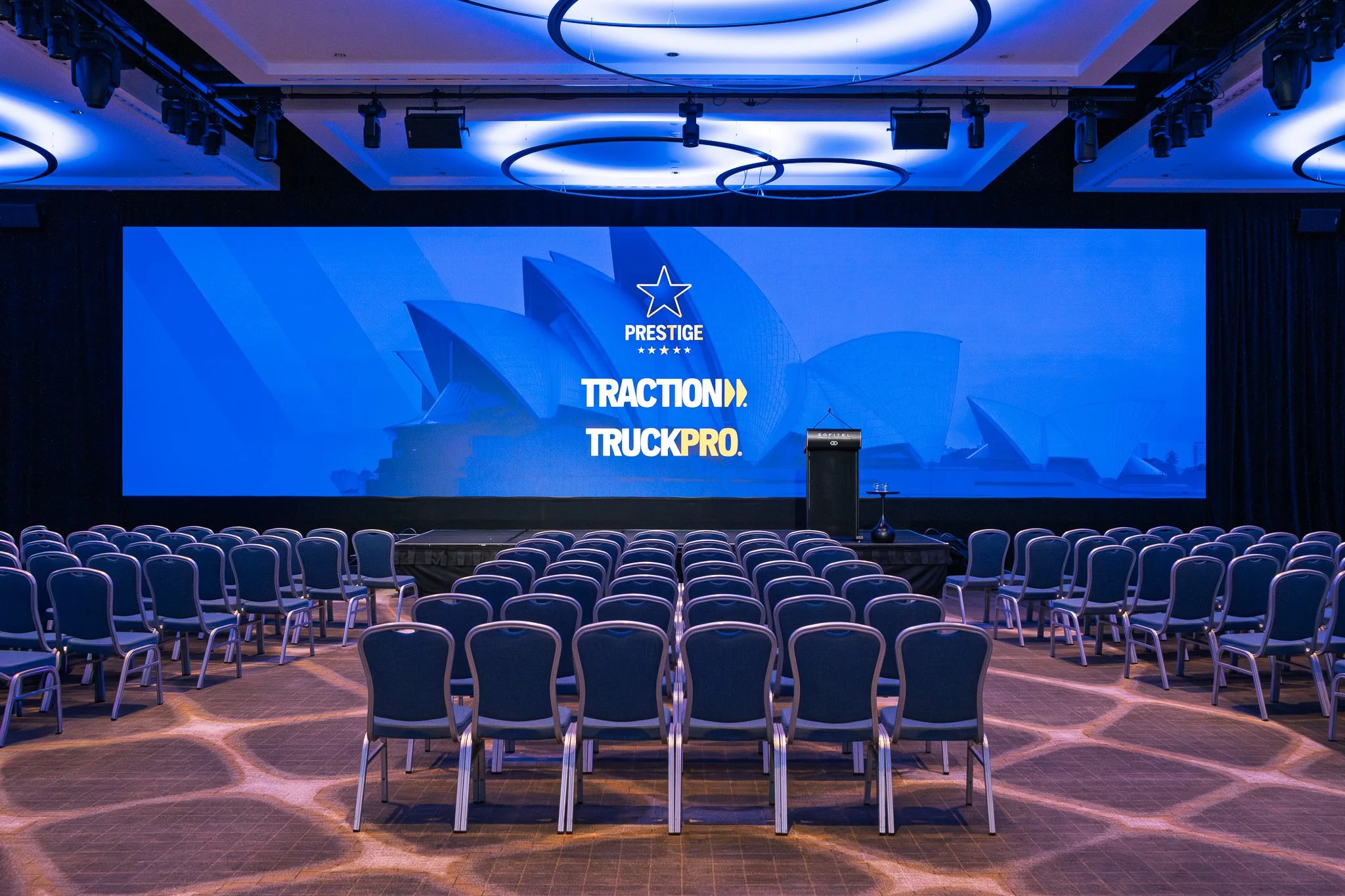
Sydney's venues carry their own authority, and naming them works in your favour.
When your recap post, media release, or blog names the venue and your image alt text does too. You're building a clear signal about where your brand operates. For a business in Sydney, that association with recognisable local spaces reinforces exactly the market presence you want search engines and readers to register.
A note for marketing managers: ask your photographer for both architectural "sense of place" frames and tight engagement shots at every venue. The first sells the prestige of the location. The second sells the quality of the conversations. Most events need both, and they're captured at different moments.
3. How Does Event Photography Power Executive Thought Leadership?
Executive personal branding is one of the fastest-growing areas of corporate communications, and event photography is the most efficient way to supply it.
A studio portrait shows what a leader looks like. A candid frame from a networking session shows how they operate. Engaged, listening, mid-conversation with people who matter. That authenticity is what performs on LinkedIn, and it's what audiences respond to.
The practical value is scale. One event can produce a year of profile images and post assets for your entire leadership team, captured while they're already in the room. Worth naming the key people in the brief so nobody is missed.

4. What Usage Rights Should You Look For?
Unlimited, perpetual commercial usage is the standard worth working from.
It means your team can use an image from today's event in a brochure three years from now, across your website, social channels, press materials, internal communications, and partner decks, without revisiting the agreement each time a new use case comes up.
That freedom is what makes the content waterfall below possible. Confirm it in writing before you book, and your team can move quickly and confidently on every channel.
For more on what to look for before you book, read the guide on choosing a corporate event photographer in Sydney.
5. What Does Six Months of Content Look Like?
Here's how one day of coverage typically plays out across a marketing calendar:
Month 1: Post-event thank you campaign and a press gallery for media.
Month 2: Employee spotlights using candid shots of the team in action.
Month 3: "Save the Date" collateral for next year using the best crowd imagery.
Month 4: Thought leadership articles on LinkedIn using speaker photos.
Month 5: Recruitment materials showing genuine company culture.
Month 6: Annual report visuals illustrating market presence.
Six distinct campaigns from a single day. The only requirement is a gallery with enough range to support all of them, which comes back to the brief.
For the specific shots that make this possible, read the guide on what to brief your photographer on.
6. How Does a Photographer Stay Unobtrusive?
By working silently and planning around the programme rather than interrupting it.
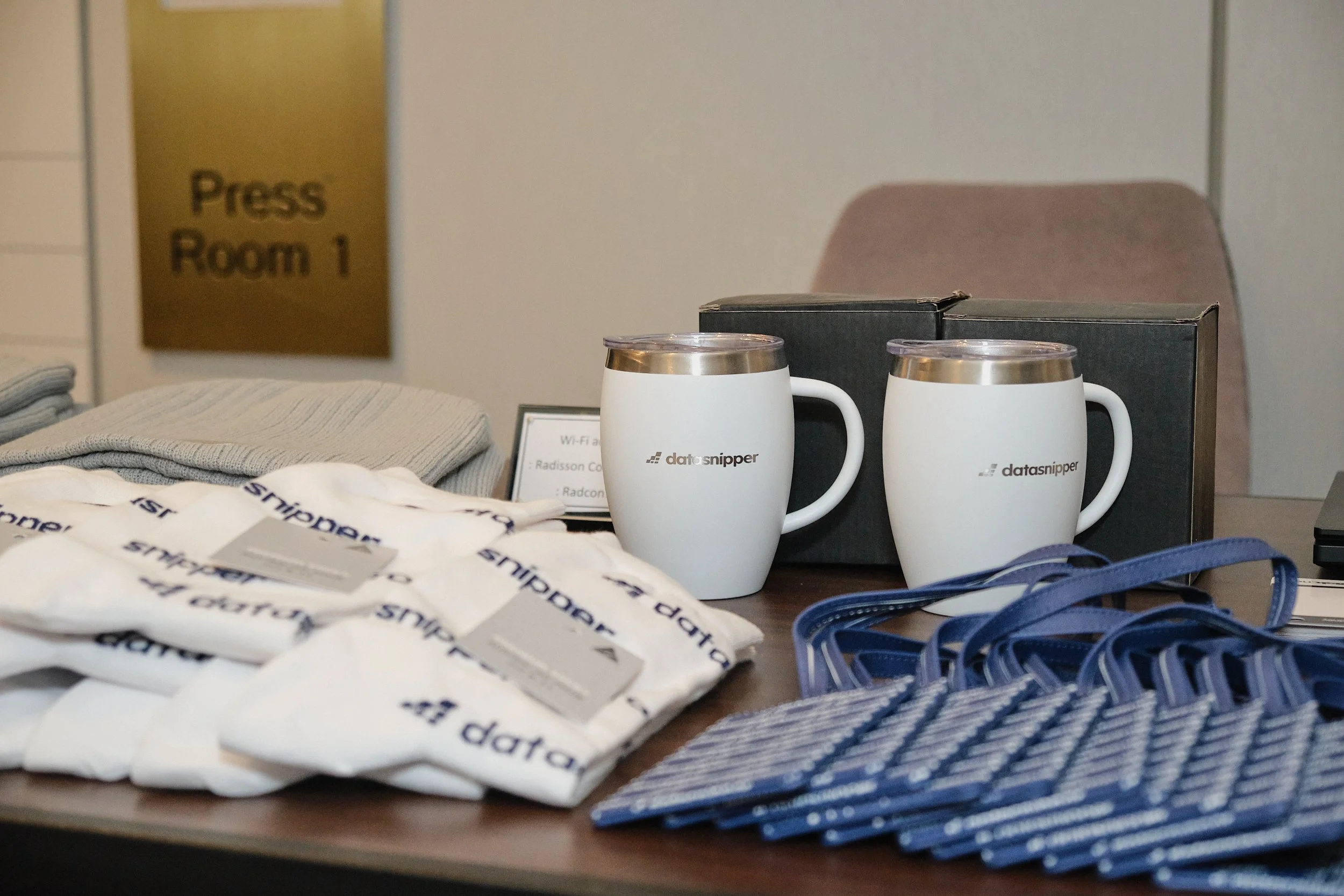
Silent-shutter mirrorless cameras mean full coverage of a keynote or a boardroom session with nothing audible in the room. No flash during presentations. Movement timed to applause and transitions rather than mid-sentence.
For teams who need certainty on the day, tethered shooting is worth asking about. Your marketing lead can review frames on a tablet as the event runs, so the hero shot for tomorrow's release is confirmed before anyone leaves the venue.
7. Building a Visual Legacy
A corporate event lasts a day. The photography lasts as long as you keep using it.
Working with a photographer who understands the Sydney corporate landscape means you're not simply commissioning coverage. You're building a visual library that underpins how your brand communicates to media, to clients, to future attendees, and to the people inside your organisation who need to see that the investment was worth making.
Frequently Asked Questions
How long can we keep using our event photos?
With unlimited perpetual commercial usage, indefinitely. There's no expiry and no per-use fee, so an image from this year's conference can anchor next year's campaign or appear in an annual report three years from now. Confirm this is included before booking.
How many images do we need for a year of content?
A well-edited gallery from a full-day event, typically 150 to 300 images with genuine range across setup, speakers, audience, networking, and group shots, comfortably supports twelve months of campaigns. Range matters more than volume.
What should we ask for if the photos are going to media?
Ask for horizontal frames with space around the subject, clean backgrounds, and at least three variations of any key speaker moment. Editors crop to their own layouts, so images with room to work are far more likely to be used.
Can we use event photos for recruitment and internal communications?
Yes, and they're some of the most effective assets for both. Candid images of teams engaged and enjoying an event communicate culture more convincingly than staged photography. Flag it in the brief so those moments are captured deliberately.
Planning a corporate event in Sydney?
I work with event management companies and marketing teams across Sydney to deliver photography that's built for use.