
Stop Briefing Your Photographer on Logistics. Brief Them on This Instead
Months of planning. A venue that delivers. A room full of the right people. And an evening that, by every measure, lands exactly as it was designed to.
The best corporate events create something real — connections made, ideas exchanged, a brand experienced in person rather than on a screen. And when it's done well, that energy deserves to live beyond the room it happened in.
That's where photography becomes one of the most powerful tools in a corporate event strategy. Not just as a record of the night, but as a content asset that continues working long after the last guest leaves — in press releases, LinkedIn recaps, internal communications, and the marketing collateral that builds anticipation for next year.
The event professionals and marketing teams who get the most from their event photography share one thing in common: they brief on outcomes, not just logistics. They know which moments matter, who needs to be in frame, and what the images need to do in the 72 hours that follow.
This article is for them — and for anyone who wants their next event to be just as powerful in the story it tells as it was in the room.
Here's exactly what to capture, and when.
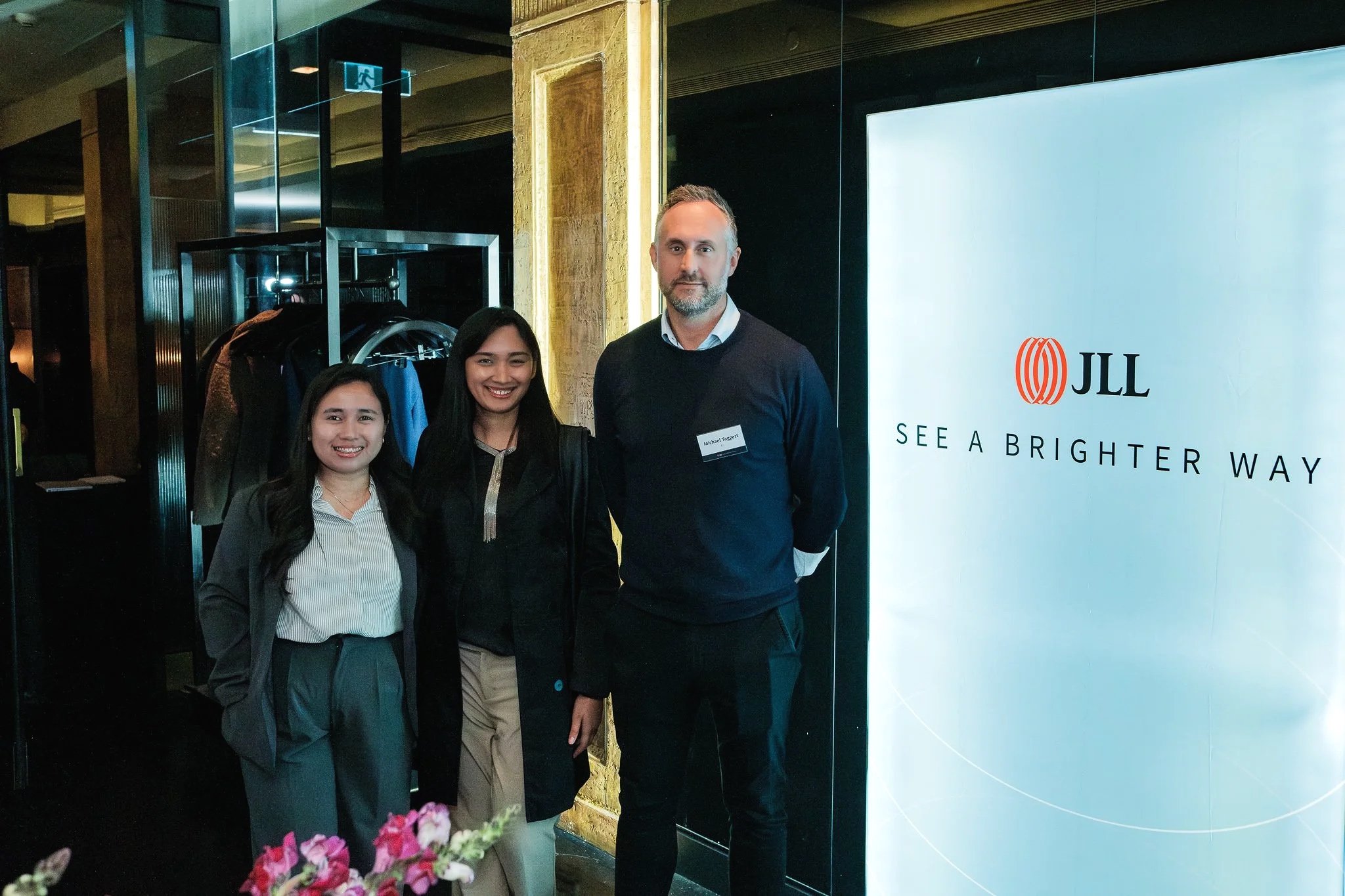
Before the Event: The Setup Shots You Need to Ask For
There's a window at every corporate event that most photographers miss entirely.
The venue is dressed. The signage is up. The florals are fresh and the room looks exactly as it was designed to look. For about twenty minutes before the first guest arrives, everything is perfect — and completely still.
This is one of the most valuable windows of the entire event, and it disappears the moment the room fills.
Arriving early means capturing the event at its most considered — clean brand shots with nothing in the way, venue atmosphere at its absolute best, and detail images of the styling, collateral, and environment your team spent months creating. These are the images that run in the week-before countdown posts, anchor the press release header, and reappear in next year's event invitation.
They're not accidental. They're intentional — and they require a photographer who understands their value before the night begins.
During the Event: The Four Shot Types PR Teams Actually Use
Every event generates a gallery. But the images PR and marketing teams actually reach for when it's time to publish, pitch, or post tend to come from the same four categories. These are the shots worth planning for.
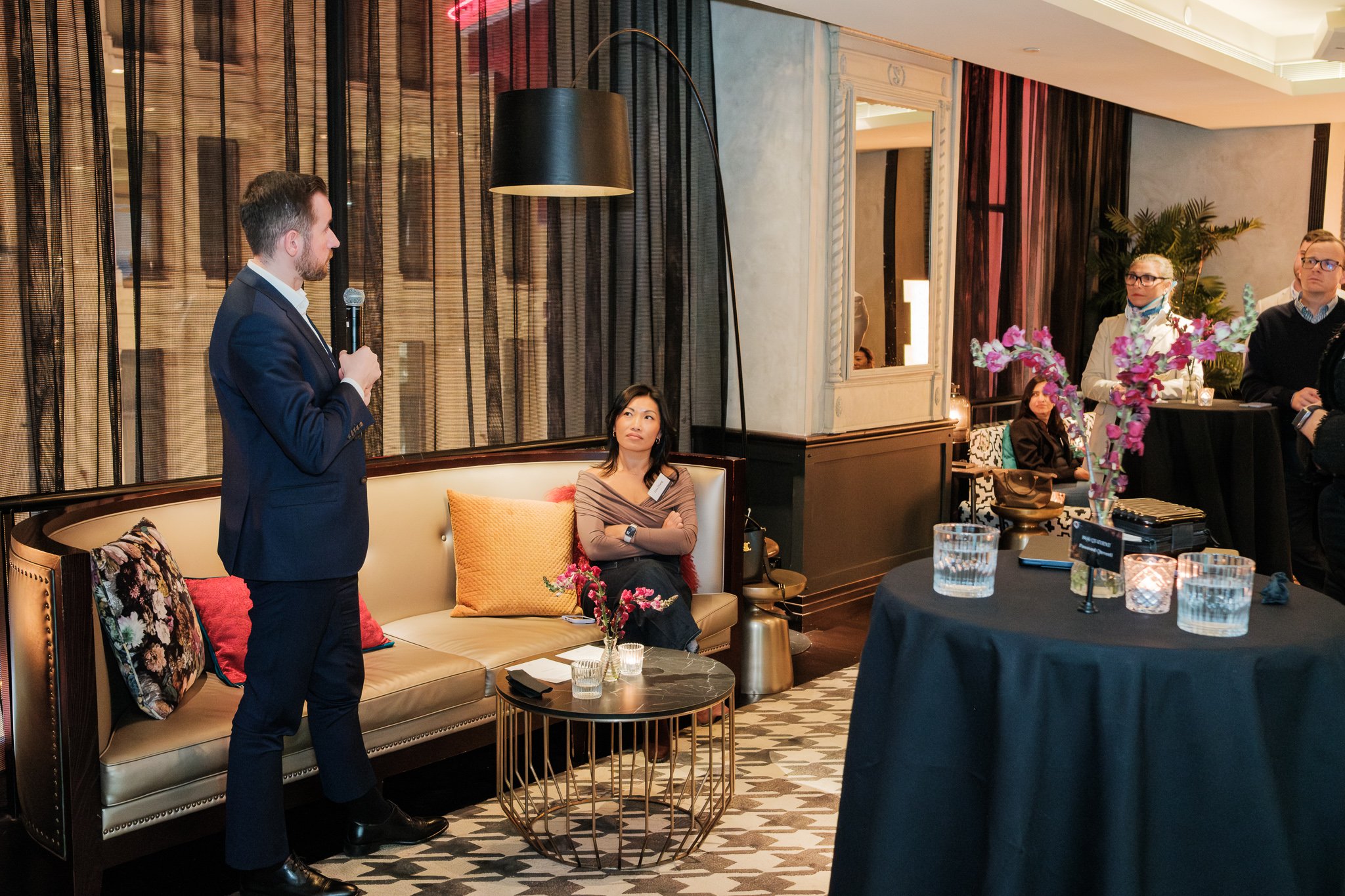
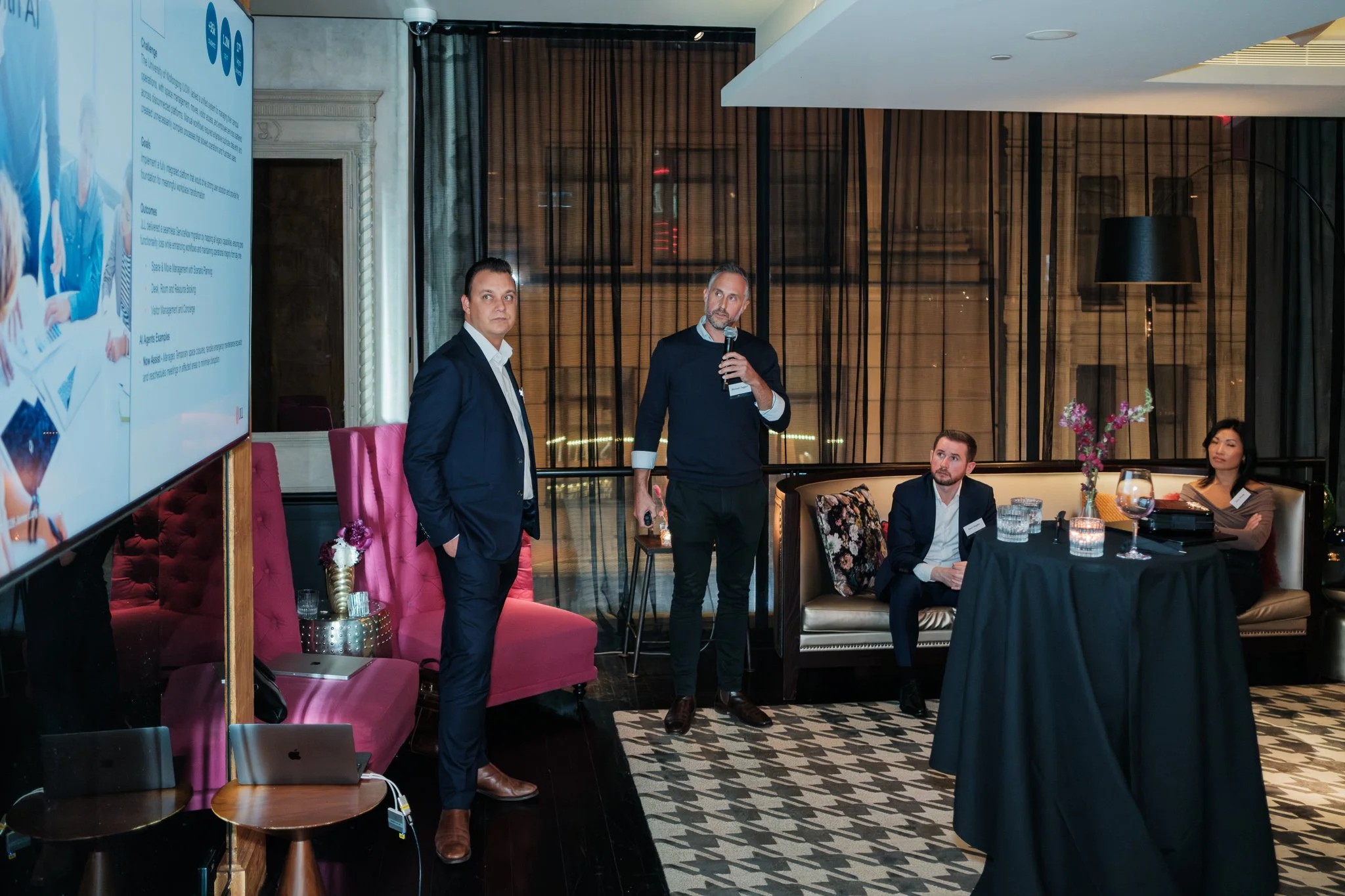
1. The Speaker or Presenter Shot
It's the most requested image from any event with a presentation component — and the one most likely to fall short without the right approach.
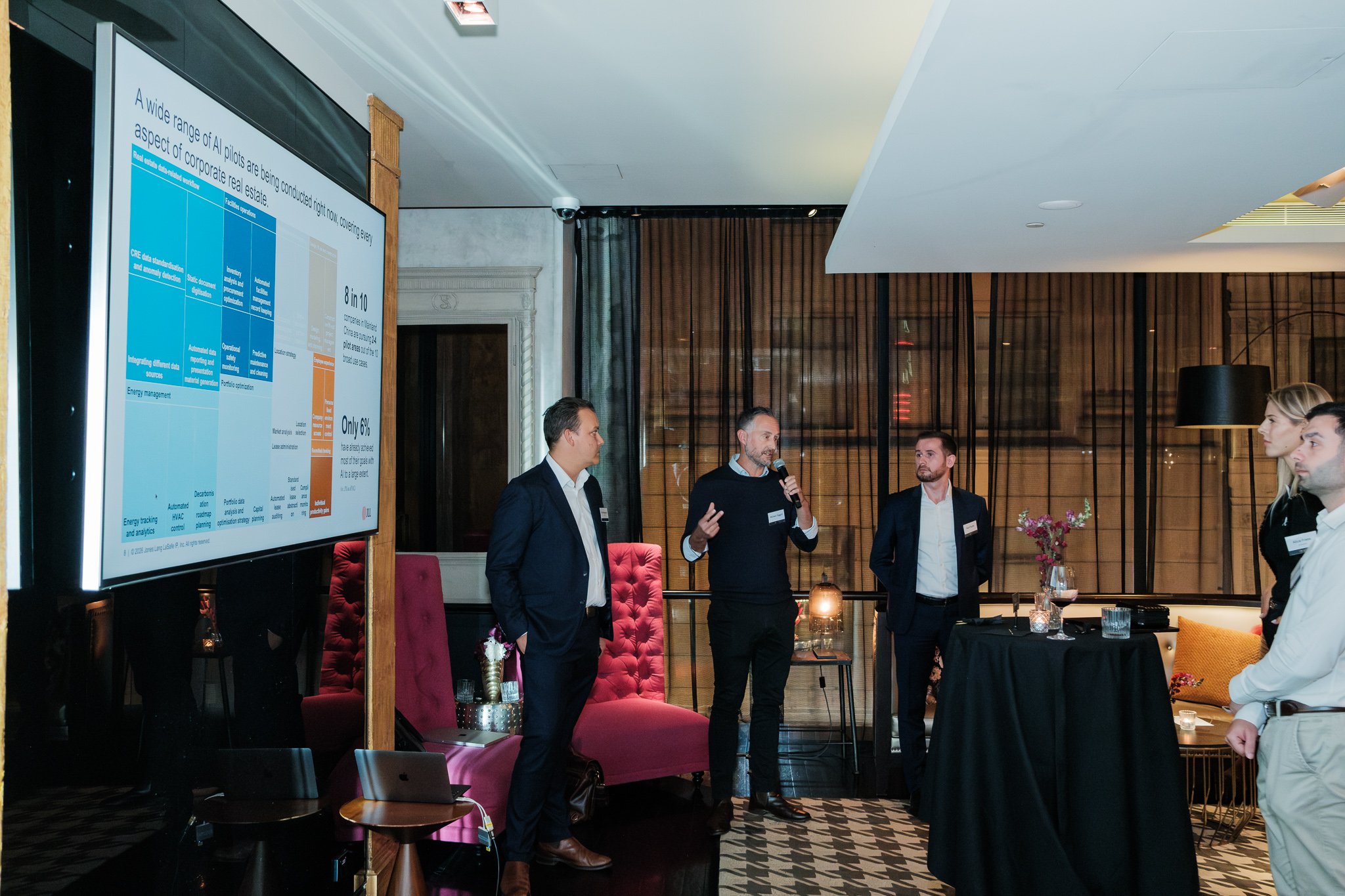
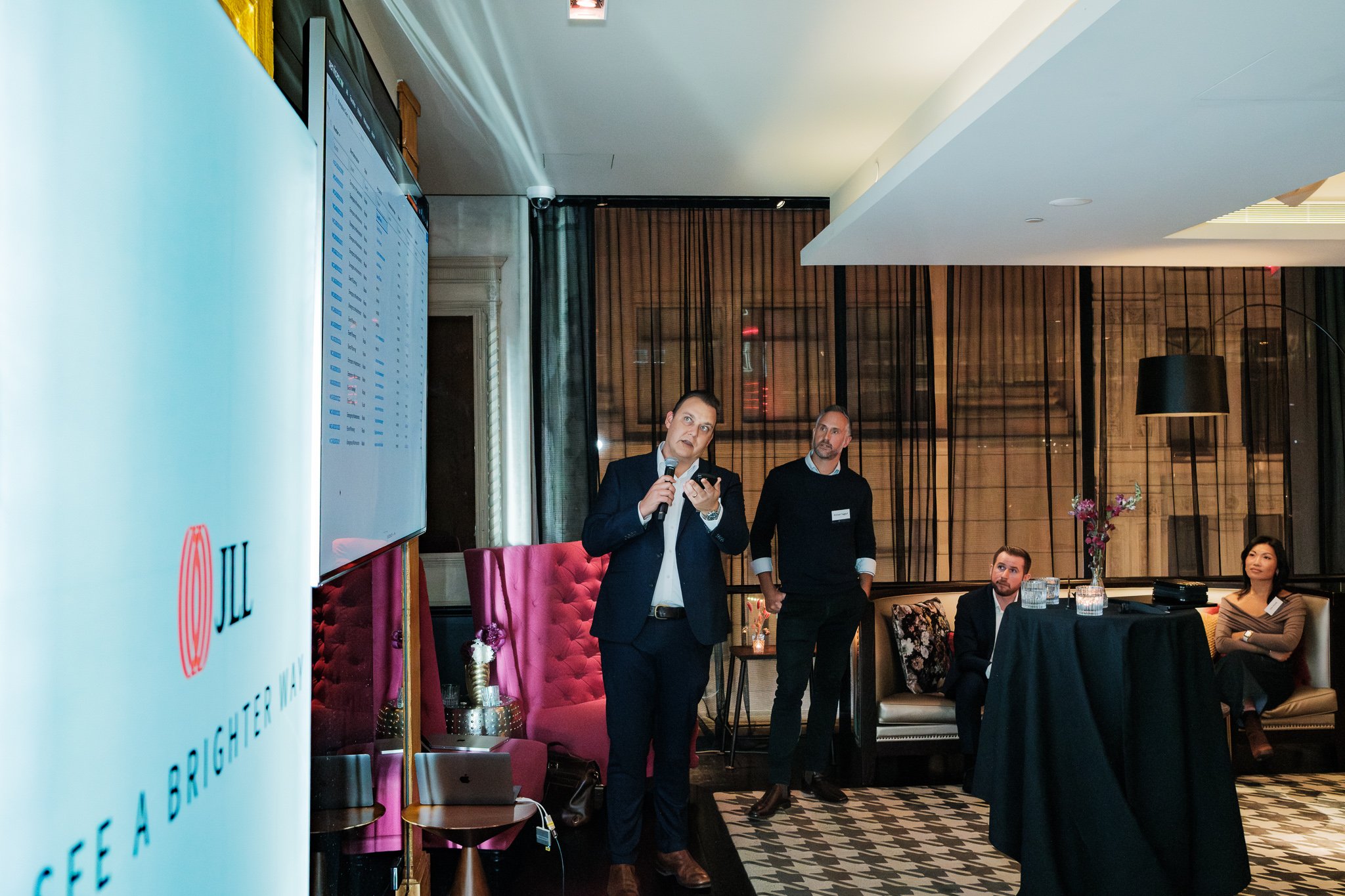
A speaker shot that works for media use needs to do several things at once: show the presenter's expression clearly, give context to the room they're speaking to, and navigate the challenge of competing light sources — the bright screen behind them, the ambient warmth of the venue, the movement of a live moment.
It also needs to be captured across the presentation, not just once. The image that looked perfect on a laptop screen may not hold up at the size a media outlet needs. Variety gives PR teams options, and options are everything on a deadline.
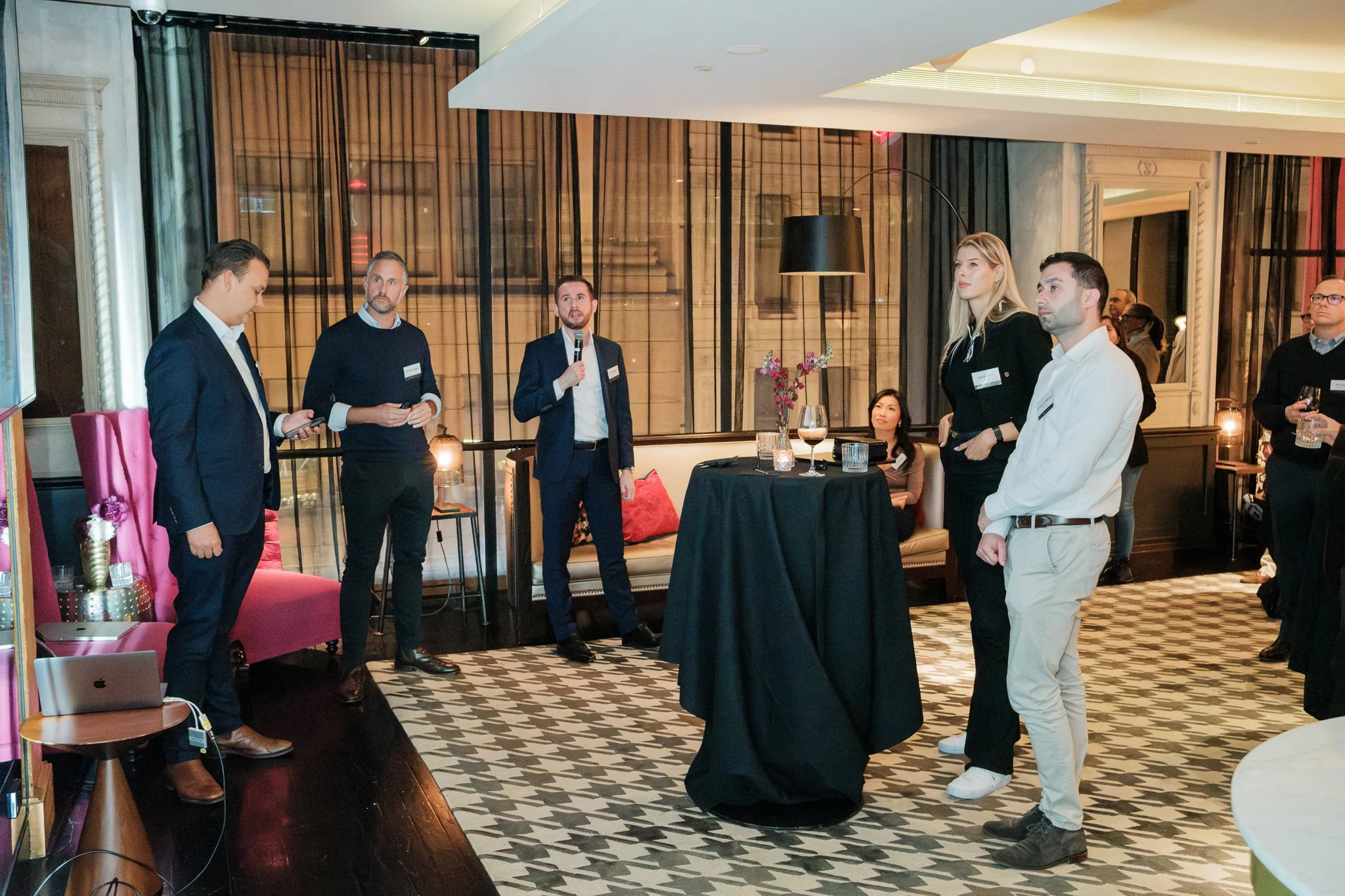
2. The Audience Engagement Shot
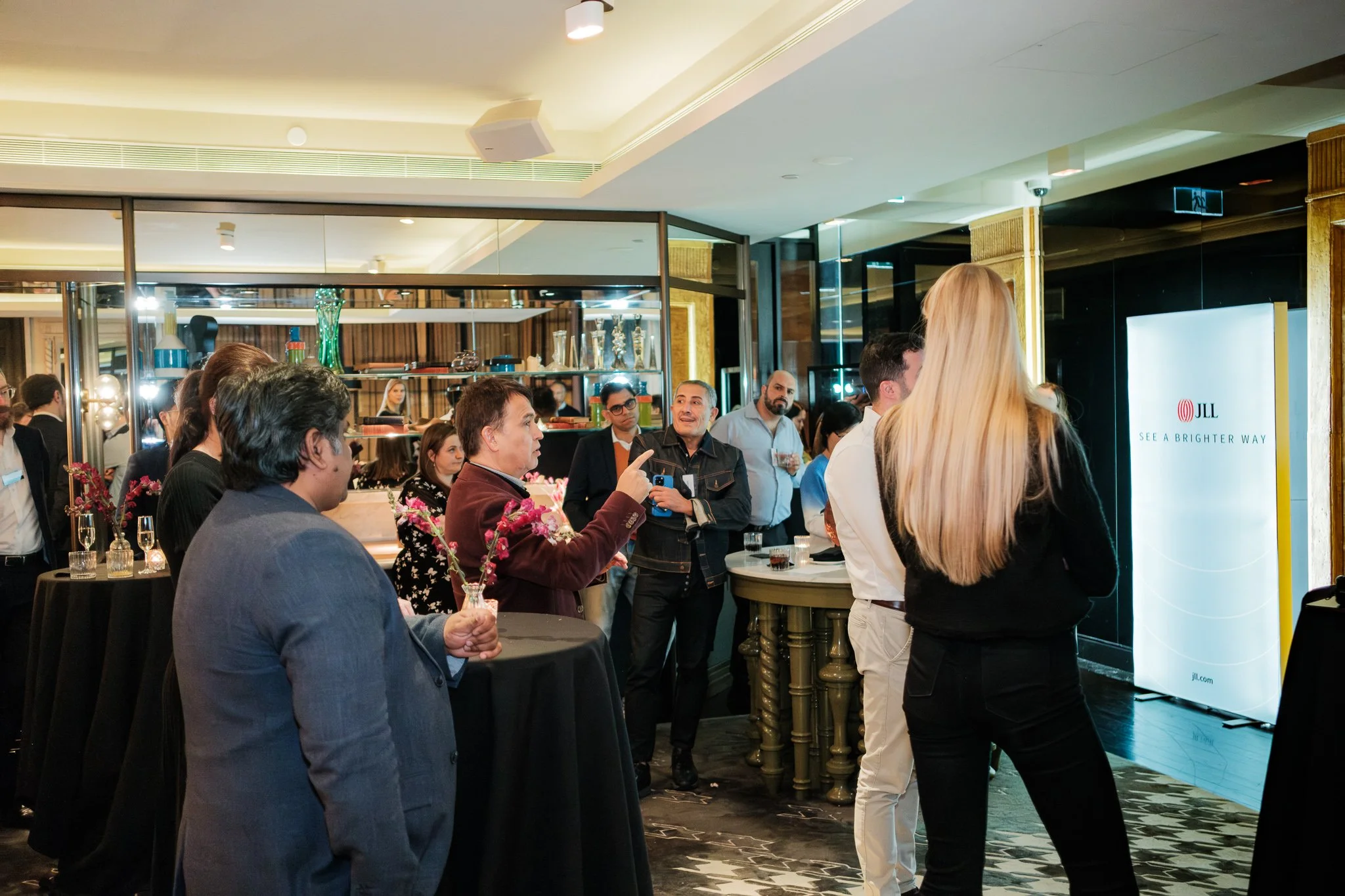
A room full of engaged people is one of the most persuasive images a corporate brand can publish. It communicates scale, credibility, and the kind of genuine interest that can't be manufactured in post-production.
The timing is everything. There's a specific quality of attention in a room when a speaker lands something well — a stillness, a leaning-in — and capturing it is as much about reading the room as it is about the camera. When it's right, it's an image that sells the next event before a single word of copy has been written.
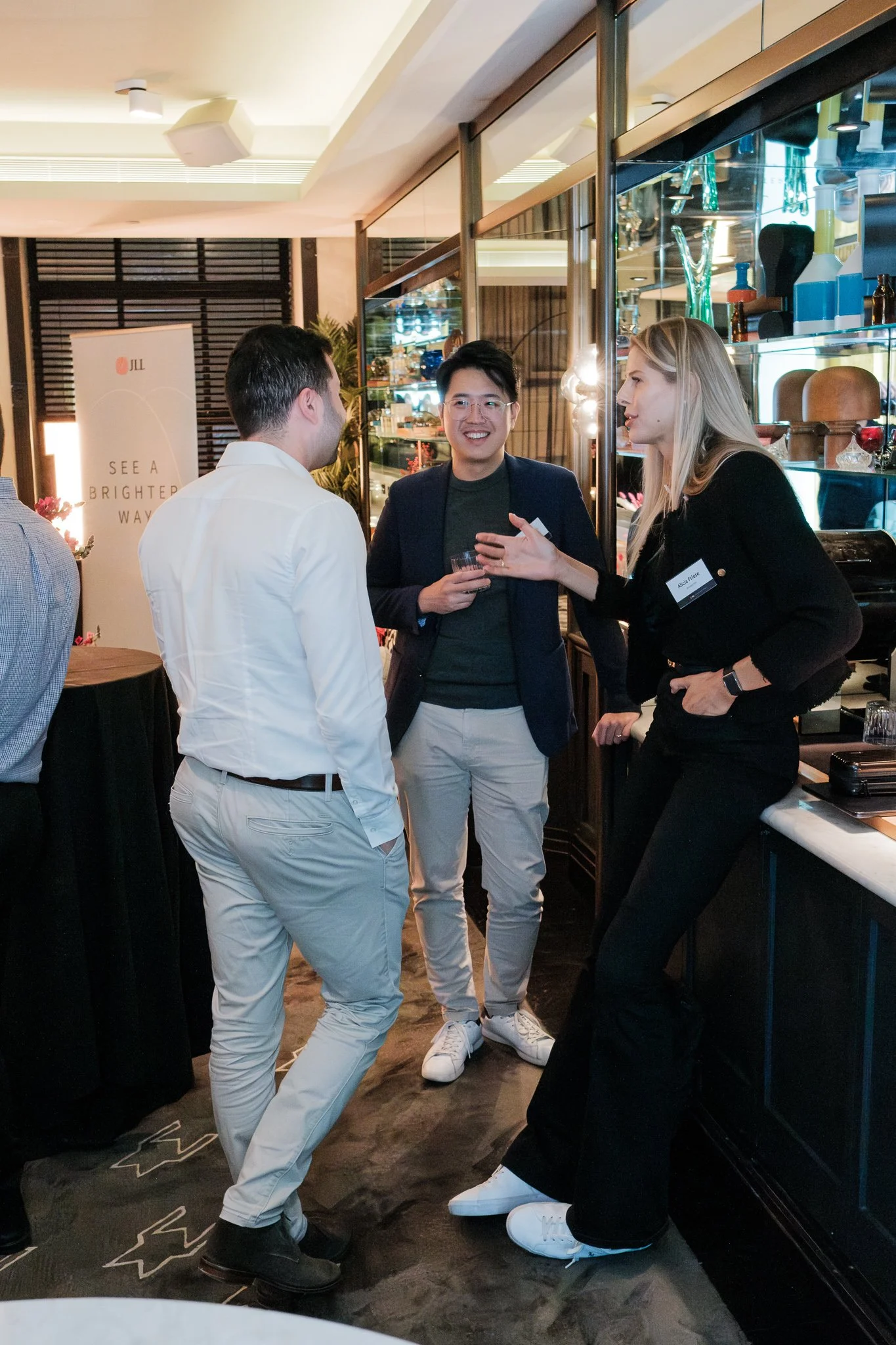
3. The Candid Conversation Shot
Networking events exist for the conversations they create. The images that represent those conversations need to feel like they belong to the moment — unposed, unaware, and completely real.
Getting there requires patience. Working the edges of the room. Waiting. Moving slowly enough that guests stop noticing the camera is there at all. The candid shots that end up in LinkedIn posts and event recaps aren't lucky — they're the result of a photographer who knows how to disappear into a room and let the moments come to them.
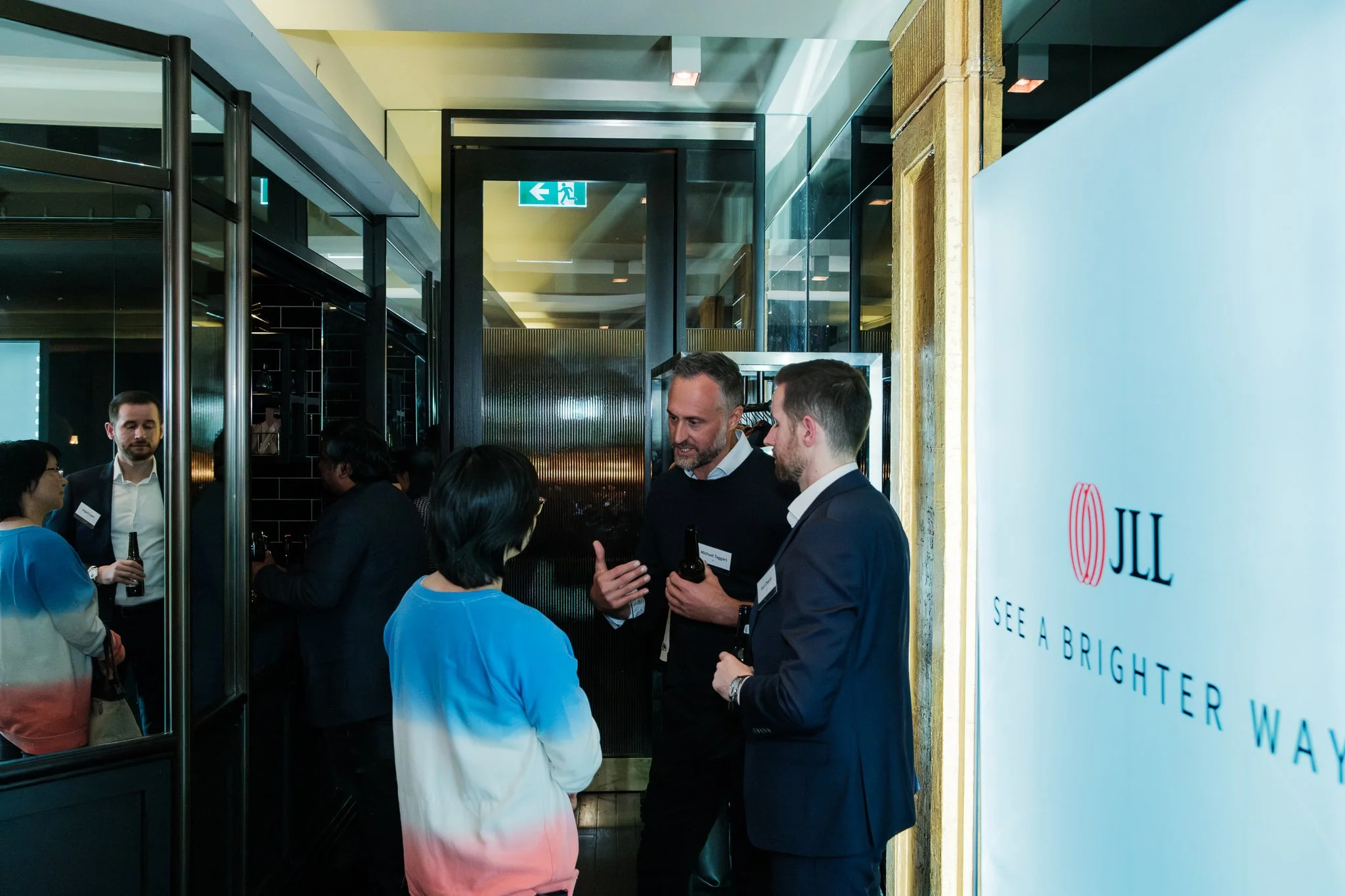
4. The Brand-In-Frame Shot
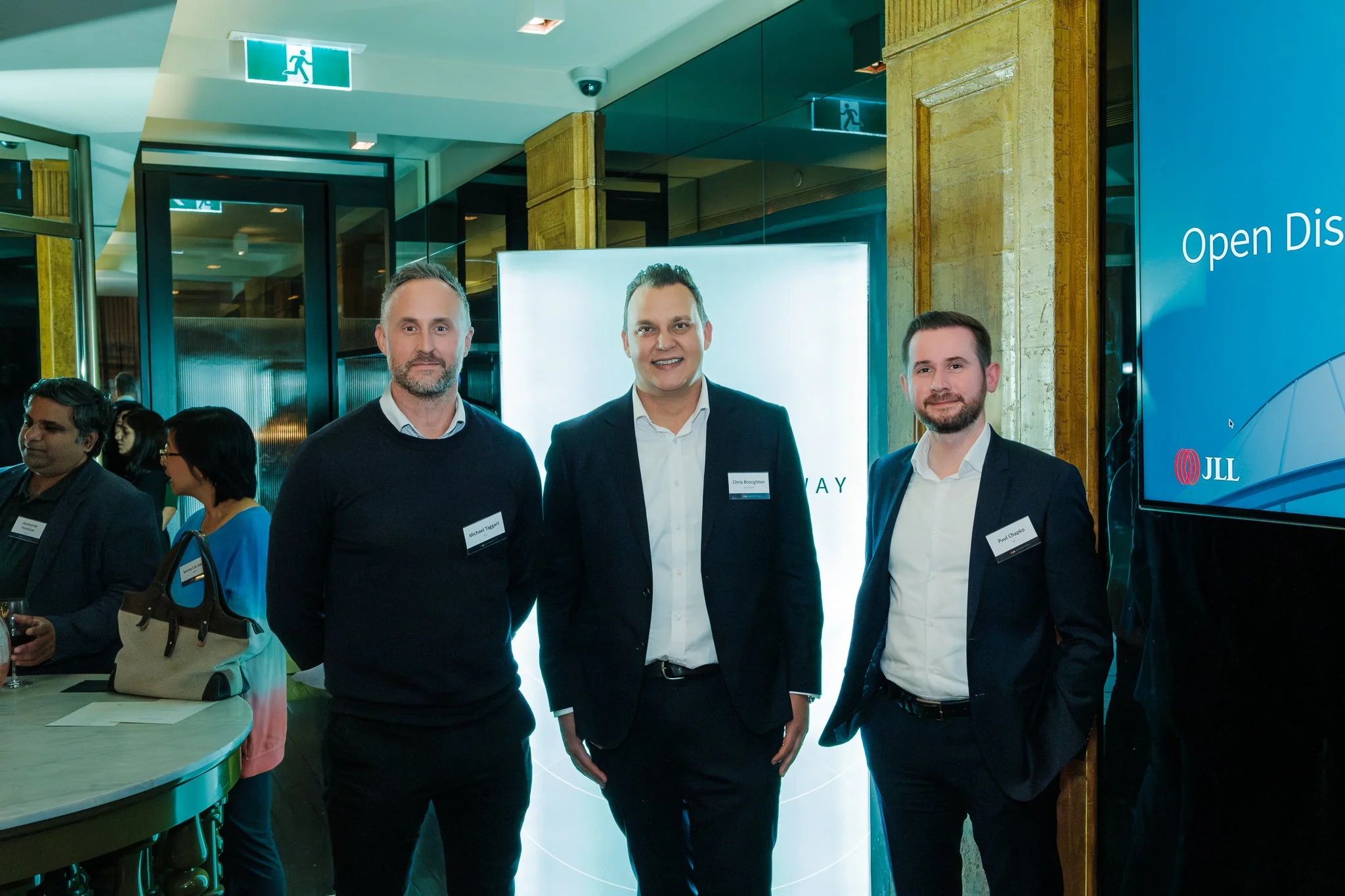
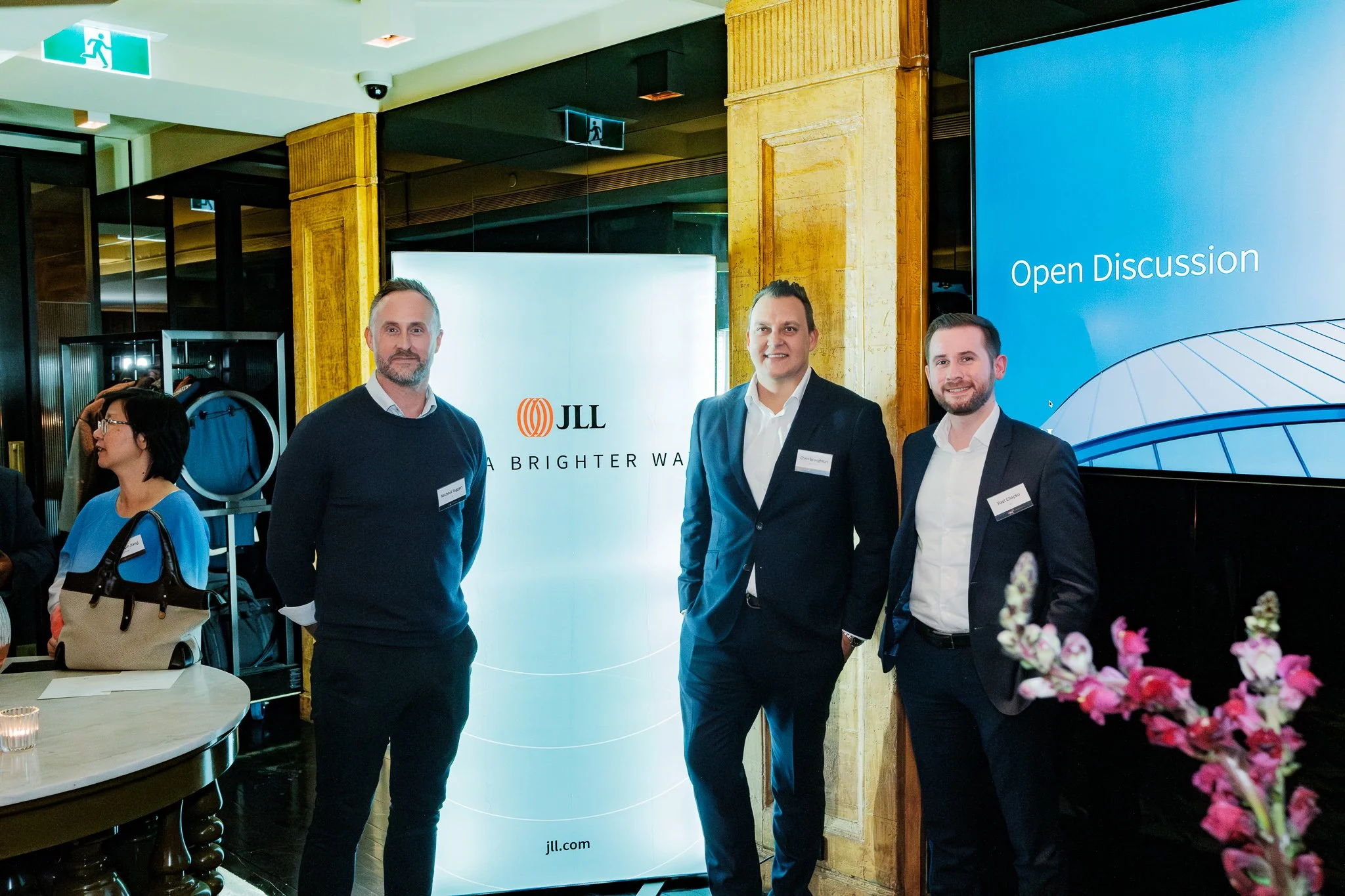
Every corporate event invests in brand presence — pull-up banners, LED screens, printed collateral, custom signage. Those assets belong in the photography. Not as the subject of the image, but as part of the world it's set in.
This is about spatial awareness throughout the evening. Understanding which angles naturally include the brand environment. Anticipating moments that are both genuine and compositionally strong. When it works, the image doesn't feel like a brand shot at all — it feels like a moment that happened to be beautifully framed.
The brief that makes the difference: Before every event, I ask one question — what do you need these images to do in the 72 hours after the event? The answer shapes every shot decision we make on the night.
After the Event: The Wrap-Up Shots That Close the Story
The formal program is done. The room relaxes. Conversations deepen, glasses are raised, and the energy shifts from structured to something warmer and more genuine.
This is one of the most photographically rich windows of the entire evening — and one of the most overlooked.
The post-presentation networking period produces the images that signal an event truly landed: guests at ease, hosts in genuine conversation with the people they invited, and the atmosphere of a room where something valuable just happened. These are the images that travel furthest — on LinkedIn, in event wrap reports, and in the proposal decks that make the case for doing it all again next year.
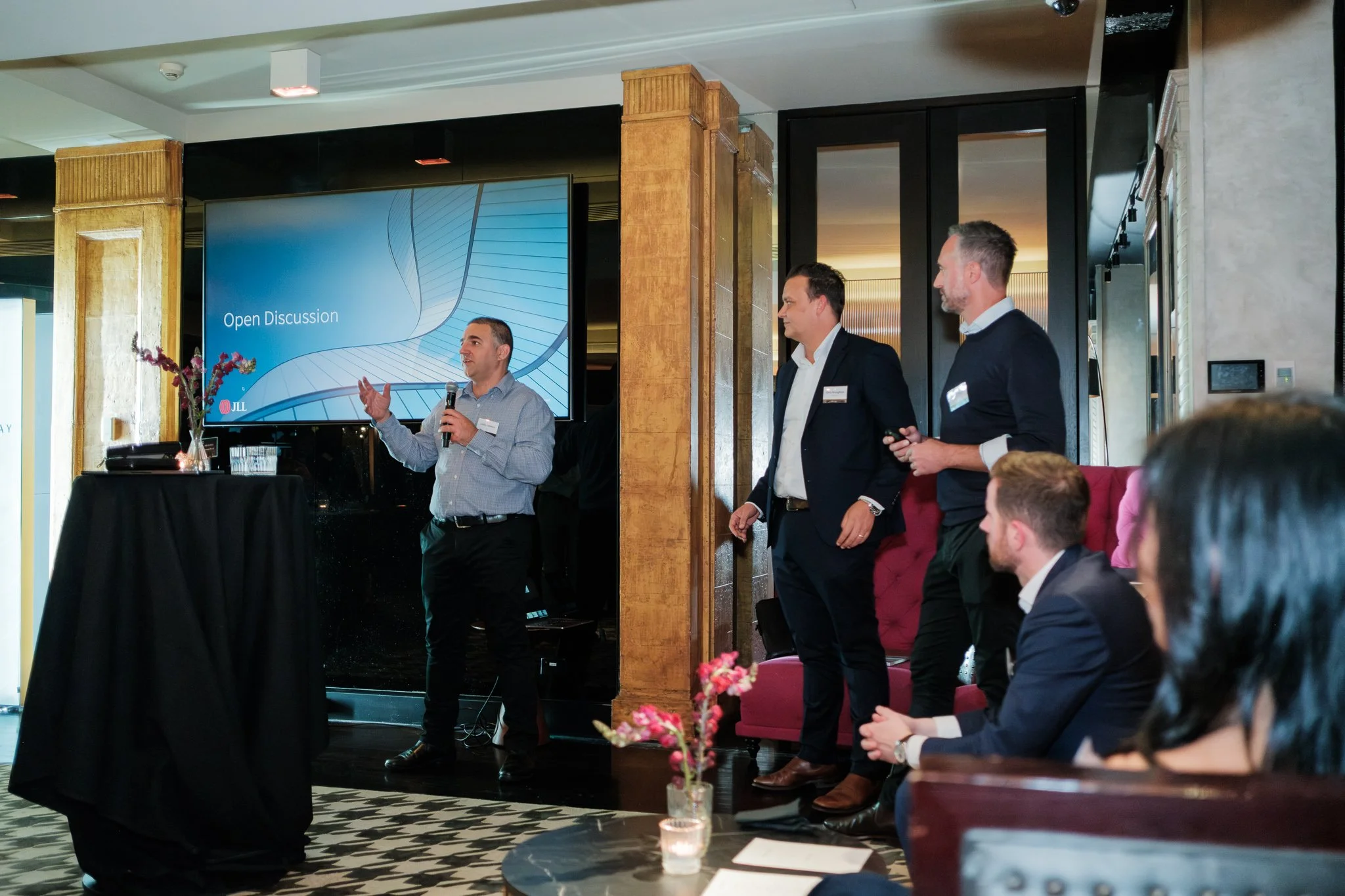
A structured group shot of the hosts and key stakeholders before the room empties is also worth building into the run of show. It takes three minutes. It ends up in speaker bios, internal communications, and company LinkedIn profiles — and it tends to be one of the most-used images from the entire night.
What to Tell Your Photographer Before the Event
The events that produce the strongest photography aren't always the biggest or the most elaborate. They're the ones where the photographer walked in knowing what the images needed to do.
A great event brief covers more than logistics. It answers the questions that shape every decision on the night: Which people are most important to capture, and why? Is there a press release going out the following morning? Which brand assets need to be visible? Do the images need to work in landscape for a website banner, or square for Instagram? What is this event communicating — and to whom?
When a photographer has that context, the work changes. Every position, every angle, every moment waited for is informed by a clear understanding of the outcome. The gallery that comes back isn't a collection of images from the night — it's a set of tools your team can put to work immediately.
Frequently Asked Questions
What photos do PR teams actually need from a corporate event?
The shot types used most are: brand-forward images with people present, clean presenter or speaker shots, candid conversation images that feel genuine, wide room shots that communicate scale and energy, and structured group shots of hosts and key stakeholders. Ideally, a PR team should be able to tell the full event story — before, during, and after — from the gallery they receive.
How do I brief a photographer for a press release?
Tell them what the press release is about, who the key people are, and what brand assets need to be visible. If you need a specific speaker shot or a wide venue image for a media outlet, communicate that before the event — not after. The more context a photographer has about how the images will be used, the more specifically they can shoot to meet that need.
What makes a corporate event photo suitable for media use?
Media-ready images are well-lit, sharp, and have clear compositional intent. They include a subject with a readable expression, they're not cluttered, and they tell the viewer something about the event without needing a caption to do all the work.
How many photos should we expect from a corporate networking event?
For a two to three hour networking event with a presentation segment, a fully edited gallery of 80–150 images is typical. Quality matters more than quantity — a tight, well-edited gallery is more useful to a PR team than 400 images they have to sort through themselves.
How quickly can we receive photos after an event?
For most corporate events I deliver within 3 business days. Rush turnaround is available for clients who need images for same-day or next-morning communications — worth discussing when you book.
Planning a corporate event in Sydney?
I work with event management companies and marketing teams across Sydney to deliver photography that's built for use.